Winter broken-spring calls: a garage door shop's phone script and cycle-life quote
A word-for-word safety script for "door won't open" calls, the one question that sets up the quote, and the cycle-life math that turns spring options into years of service a homeowner can compare.
By Rivet Editorial Team · · 8 min read
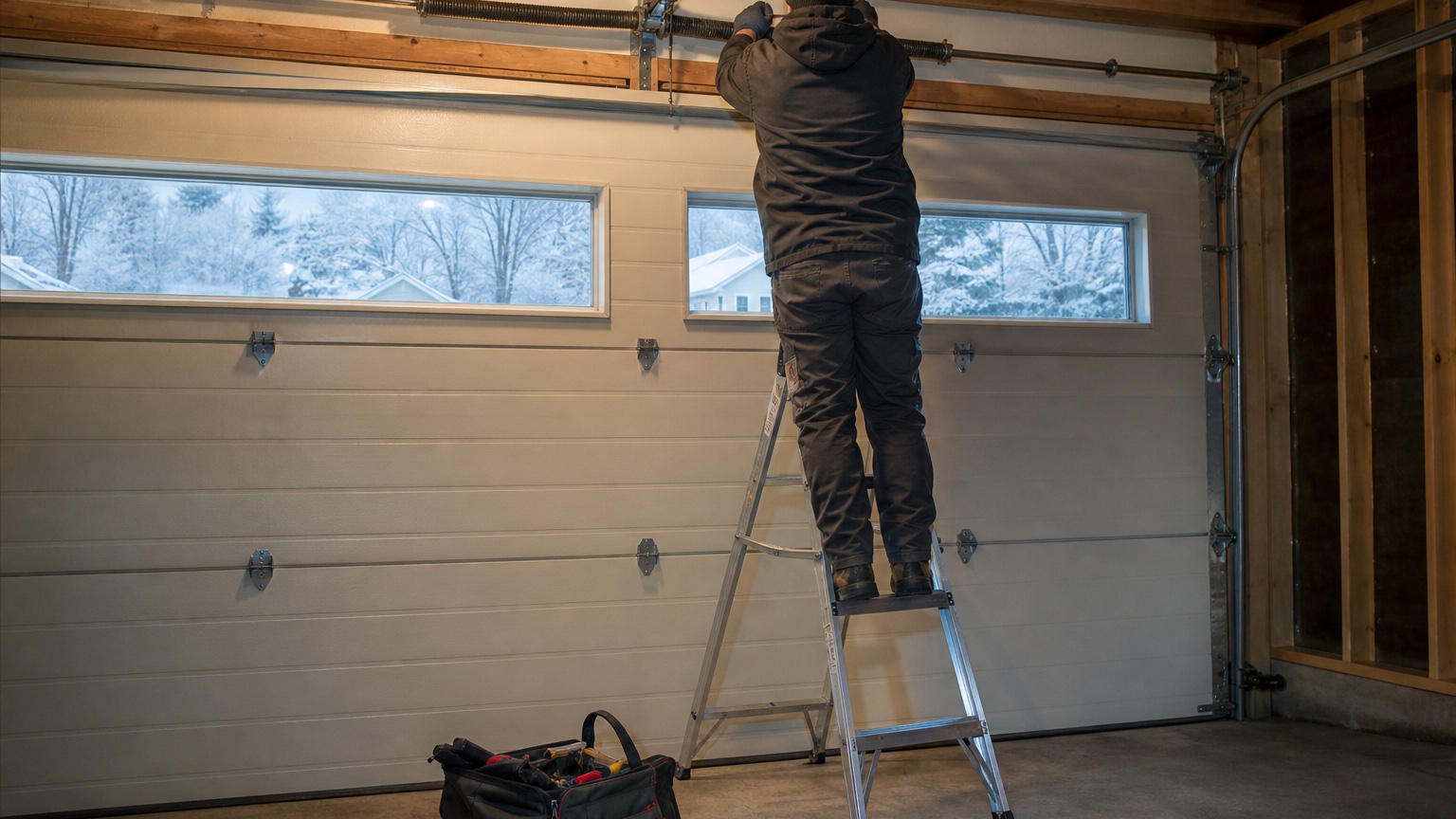
When a spring snaps on a cold morning, the customer calls because the car is stuck. They are not shopping for springs. The shops that make money on this call do three things. They keep the caller safe on the phone. They ask one question about how the family uses the door. Then they quote spring options in years of service, not in cycles or wire gauge.
The math is simple. Most residential springs are rated for about 10,000 cycles, and one cycle is the door opening and closing once. That is how Amarr puts it in its spring guide, and Garaga says the same. Divide 10,000 by the customer's yearly cycles and you know how long a matching spring will last. A family that uses the door four times a day burns through a standard spring in under seven years. A household that treats the garage as its front door can kill one in three.
Below is the phone script, the math, and a three-option quote your techs can say out loud in the driveway.
Why the calls bunch up in cold snaps
Cold rarely breaks a healthy spring on its own. What it does is take away the last bit of margin from a spring that was already near the end of its life.
The manufacturers say this in plain terms. Amarr's guide says temperature swings of 20 to 30 degrees can make a spring wear out faster. Garaga lists sudden temperature or humidity changes among the causes of spring breakage, and it recommends lubricating hardware in the fall, before the cold arrives.
DASMA, the door industry's trade group, adds two points in its technical sheet on spring cycle life, TDS-190:
- Doors in climates with extreme heat or cold, frequent rain or snow, or salty coastal air "should be kept closed where possible." Springs on doors left open for long stretches face bigger swings in temperature and moisture.
- Rust shrinks the working area of the spring wire, and corrosion pits are where fatigue cracks start.
So a hard cold snap can push a batch of tired springs over the edge in the same week. Plan for it. Stock the sizes you install most, and make sure whoever answers your phone has the script below.
The phone script for a "door won't open" call
The goal on the phone is to keep people safe, confirm it is likely a spring, and get the right truck there with the right parts.
1. Confirm it is probably the spring
Ask:
- "Did you hear a loud bang from the garage, maybe overnight or when you hit the button?"
- "When you press the opener, does the door stay put, or lift a few inches and stop?"
- "If you look above the door, is there a coiled spring on a bar, with a gap in the coil?"
- "Or are the springs running along the sides, next to the tracks above the door?"
Amarr lists the signs as a door that is loud and won't work at all, is hard to lift by hand, and isn't fixed by new remote batteries. The last question tells you torsion or extension, which changes what you load on the truck.
2. Give the safety instructions, word for word
Read this out every time, even to callers who sound handy:
"Please don't keep pressing the opener, and don't try to lift the door or touch the springs. Those springs hold a lot of tension. Keep kids and pets away from the door until our tech gets there."
Here is why each part matters:
- The opener. DASMA's technical director wrote in the Winter 2025 issue of Door + Access Systems that the opener "should not have to do the heavy lifting of the door." Running an opener on a badly balanced door can overstress it, and the door can fall fast. A caller who keeps pressing the button can turn a spring job into a spring-plus-opener job, or a door that drops on someone.
- The springs. Amarr calls DIY spring repair "highly not recommended" because the springs carry hundreds of pounds of tension. Garaga says the same: "Avoid DIY adjustments. Springs are under high tension."
- Extension springs. Amarr notes that a broken extension spring can send parts flying, while a broken torsion spring usually stays on its shaft. If the caller describes side-mounted springs, ask whether they see a cable running through the middle of each spring. Garaga recommends safety cables on extension systems. If there are none, add them to the job.
3. Ask the question that sets up the quote
"So our tech brings the right spring, about how many times a day does that door go up and down? Is that the door everyone uses to come and go?"
Write the answer on the ticket. It is the most useful number for the quote, and the customer feels heard instead of upsold.
4. Triage the urgency
- A car is trapped and someone needs it today. That is a same-day call. Say so and give a time window.
- The door is stuck open. Security and weather are now the issue. Treat it as urgent.
- The door is closed and there's a second way out. You can book it into the next open slot.
The cycle-life math, in one minute
The formula:
Years of service = spring cycle rating ÷ (cycles per day × 365)
Here is how a 10,000-cycle spring works out for different households:
- 2 cycles a day (one commute out and back): 730 cycles a year, so about 13.7 years
- 4 cycles a day (a typical family): 1,460 a year, so about 6.8 years
- 8 cycles a day (two drivers, kids, the garage used as the main entrance): 2,920 a year, so about 3.4 years
Garaga's own estimate of 6 to 7 years for a standard spring lines up with the four-a-day row. Amarr says that with three or four uses a day and proper maintenance, springs should last at least seven years.
Spring makers also wind springs to higher ratings. Garaga's sizing guidance for commercial doors lists ratings of 25,000, 50,000, 75,000 and 100,000 cycles. For residential work, find out which ratings your supplier stocks for the sizes you install most, and write them on your price sheet.
Run the eight-a-day household again with a 25,000-cycle spring and it lasts about 8.6 years instead of 3.4. That is the conversation worth having in the driveway.
A three-option quote your techs can say out loud
Customers can't picture a cycle. They can picture "this should last you about eight years." Build your options around years.
- Match what failed. Same rating as the old spring. "At the way you use this door, expect roughly X years."
- Higher-cycle springs. "These are built for more open-and-close cycles. For your household, that's roughly Y years instead of X."
- Higher-cycle springs plus a tune-up and an annual check. The tune-up covers balance, rollers, lubrication and safety tests. DASMA recommends annual inspection and maintenance by a trained door systems technician, so the annual check is not a gimmick.
Price each option your way. Then show it as cost per year of expected service: the option price divided by the expected years. A bigger ticket that costs less per year is an easy yes for a lot of homeowners. You are showing them the math, not pressuring them.
When a door has two springs of the same age, both have seen every cycle the broken one saw. Say that plainly when you recommend replacing the pair.
Before you leave the driveway
Run this checklist on every spring job. It catches problems, protects you, and turns up real follow-up work:
- Balance test. With the opener disconnected, lift the door by hand. DASMA says a balanced door should stay in place when raised three to four feet. The CPSC says a properly operating door will stay in place when stopped in any partly open position. Garaga gives a useful feel test: a typical single door weighs about 150 pounds but should feel like 8 to 10 pounds to lift by hand.
- Door weight changes. DASMA's TDS-190 warns that paint or added components can push a door past the manufacturer's weight spec. Ask whether the door has been painted or had anything attached to it.
- Reverse test. The CPSC's homeowner guidance is to set a 2x4 flat on the floor in the door's path. If the door doesn't reverse when it hits the board, disengage the opener until it is adjusted, repaired or replaced.
- Photo eyes. The CPSC says photo eyes should sit 4 to 6 inches above the floor.
- Old opener. The CPSC has required reversing systems on all openers made or imported for sale in the US after January 1, 1991. An opener older than that is a safety conversation, not just a sales one.
- Leave the homeowner one habit. The CPSC tells homeowners to check the door and opener every 30 days. Show them the balance check and the 2x4 test before you go.
Keep the truck stock from failing early
TDS-190 also lists handling mistakes that shorten spring life before a spring is ever installed:
- Don't drop or throw springs. A nick or notch creates a weak point, and a dropped torsion spring can crack its cast fittings.
- Store springs dry. Surface rust cuts the wire's strength.
- If you torch-cut stock to length, shield the coils next to the cut. Overheating or spatter can leave brittle spots.
- Use the right spring and the right number of turns for the door, following the door maker's instructions.
Every one of those mistakes can turn into a callback, usually on the coldest morning of the year.
Where the calls come in
When a spring lets go overnight, the call usually comes the moment someone tries to leave for work and the door won't move. If that call goes to voicemail, a homeowner with a trapped car is likely to try the next shop on Google. Rivet is an AI phone receptionist that answers your calls around the clock and says up front that it's an AI. It can read the safety lines above, ask how often the door gets used, book the job onto your calendar and send you the summary, so an early-morning trapped-car call becomes a booked job instead of a missed one.
Whoever answers, the script is the same: keep them safe, ask how they use the door, and quote in years.
Sources
- DASMA TDS-190: Factors Affecting Spring Cycle Life
- DASMA Tech Corner, Door + Access Systems, Winter 2025: Garage doors should live a balanced life
- Amarr: Your complete guide to garage door springs
- Garaga: Garage door springs
- Garaga: How do I figure out the number of cycles for torsion springs for my commercial garage door?
- U.S. CPSC Pub. 523: Non-reversing automatic garage door openers are a hazard
Keep reading
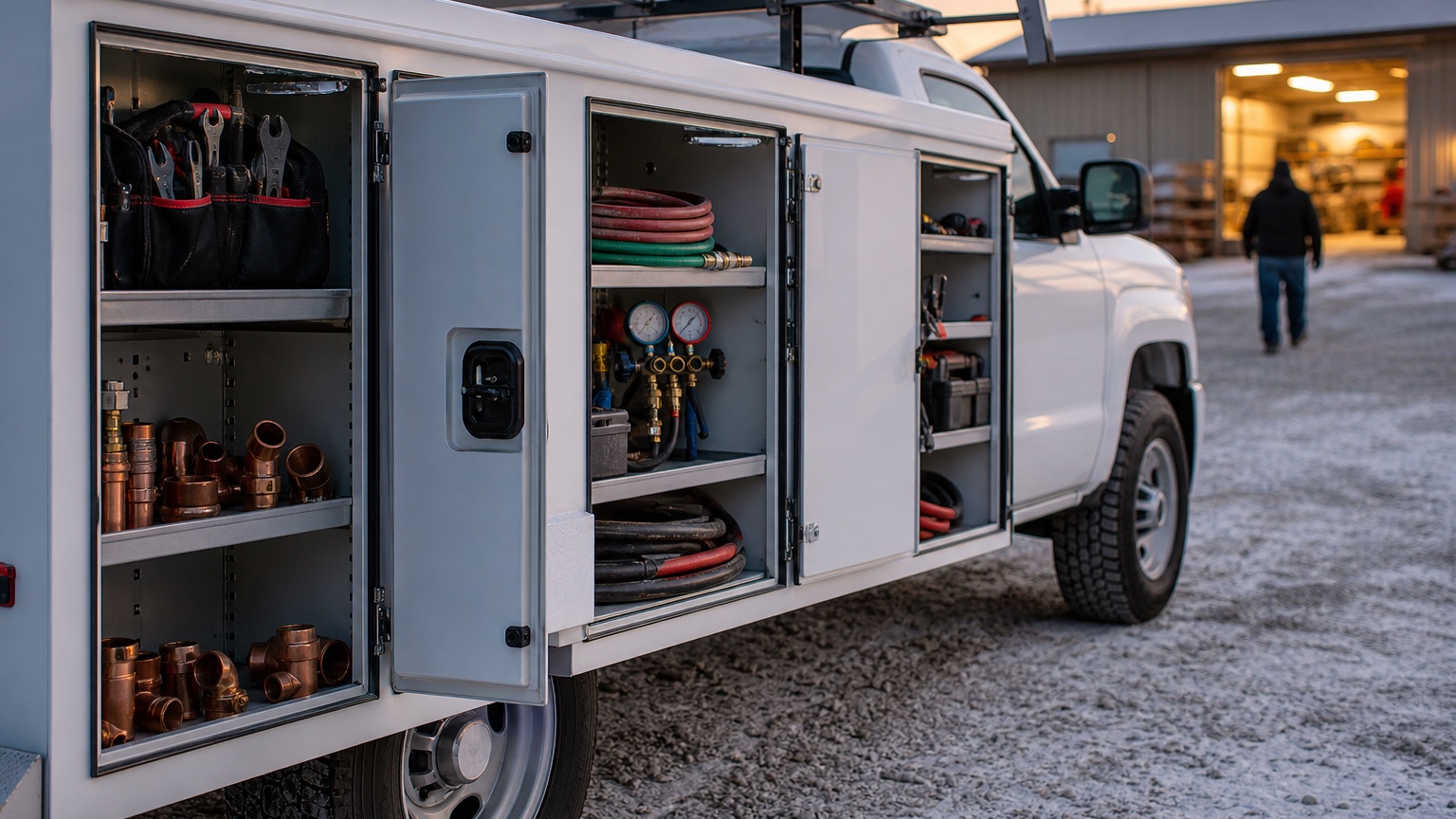
Buying a work truck before Dec. 31: how Section 179 and bonus depreciation work in 2026
The 2026 IRS limits, the placed-in-service deadline that sinks late-December purchases, which pickups and vans dodge the SUV cap, a worked example, and the questions to bring to your CPA.
Nov 14, 2026 · 6 min read
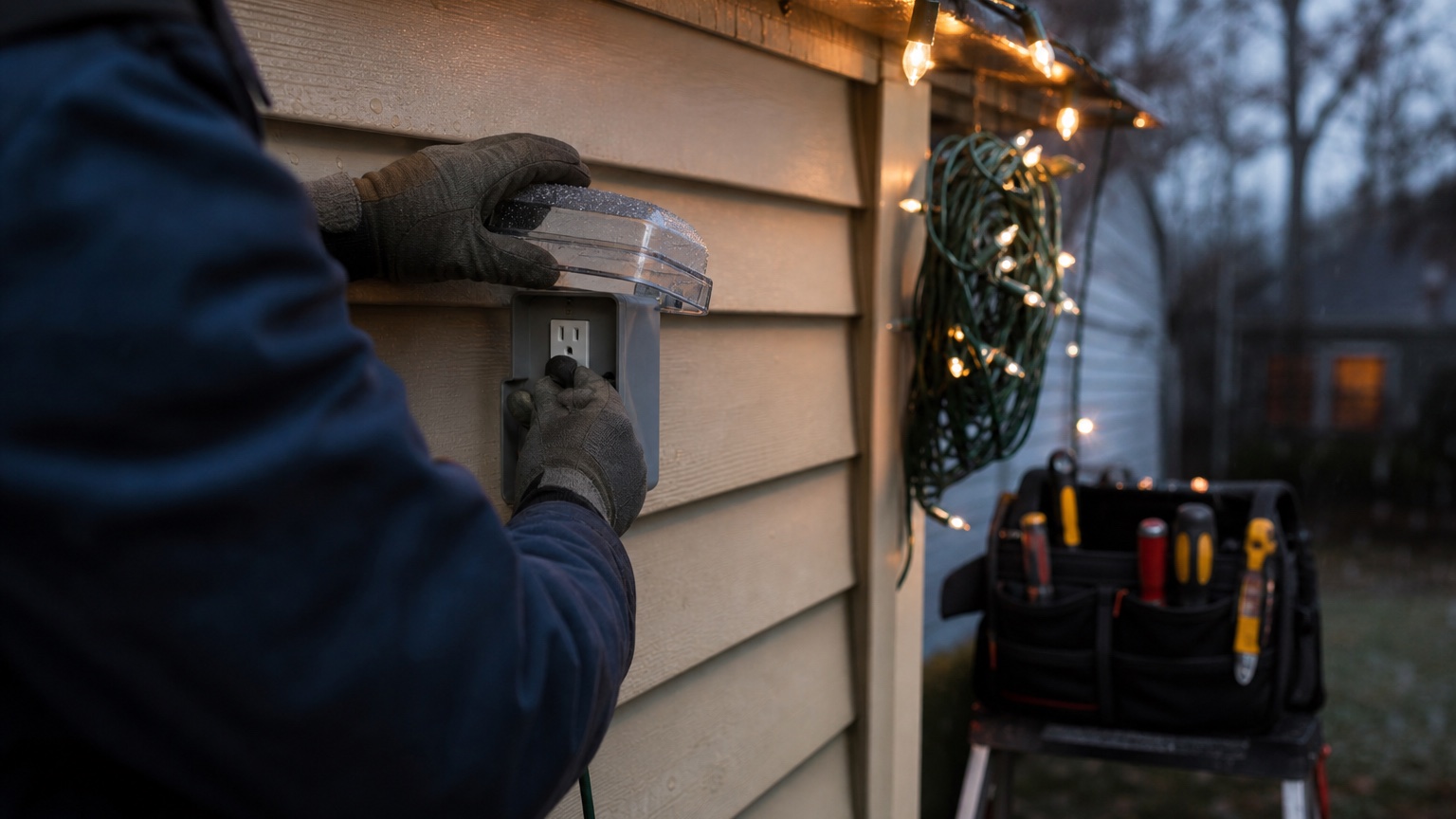
Holiday lights tripping the GFCI: an electrician's phone script and the fixes worth quoting
Most holiday-light trip calls are a GFCI doing its job. Here is a 90-second phone script with red flags, an on-site checklist built on the NEC outdoor receptacle rules, and the three fixes to quote.
Nov 21, 2026 · 8 min read
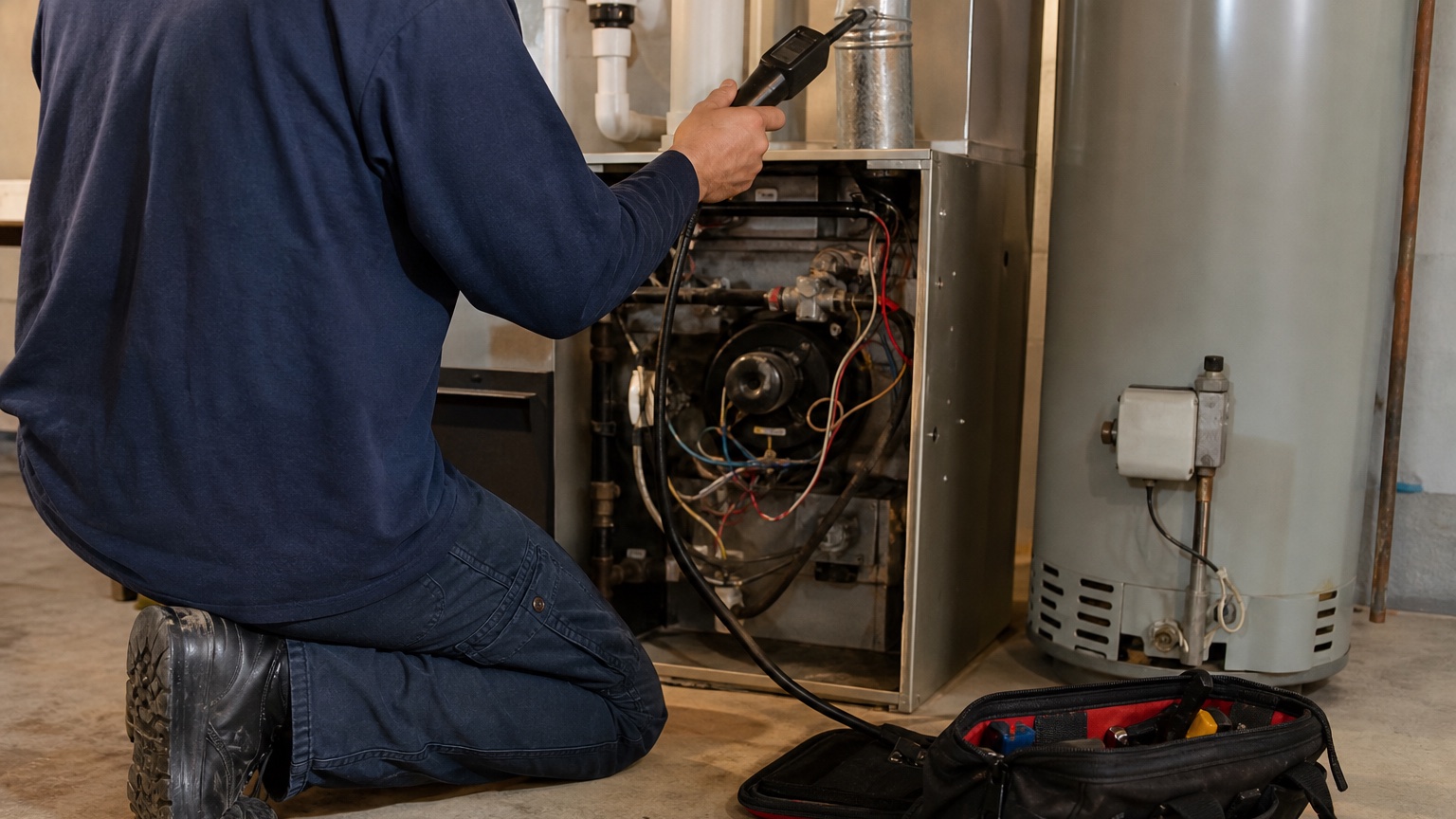
CO alarm calls: what your CSR should say in the first minute, and what the tech checks after
A word-for-word phone script for carbon monoxide alarm calls, a fast way to tell an alarm from a low-battery chirp, and the whole-house checklist your tech should run once the fire department clears the home.
Nov 21, 2026 · 7 min read